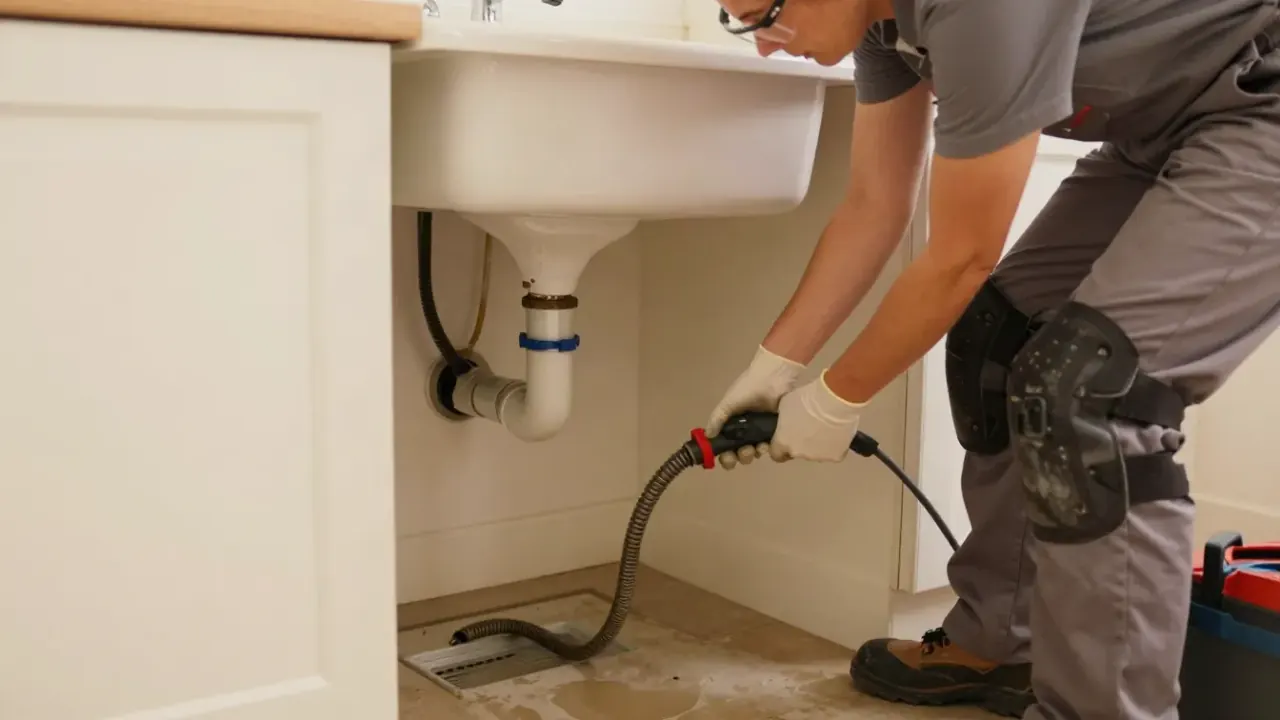
Camera footage
Before and after video of the line
When a snake only pokes a hole through the blockage, hydro jetting Bradenton FL scours the entire pipe wall back to bare material. We run high-pressure drain cleaning Bradenton equipment at 3,000-4,000 PSI to strip grease, soap scum, and tree roots from kitchen, bath, and main lines. Same-day service across Manatee County, with a camera pass before and after so you see exactly what changed.
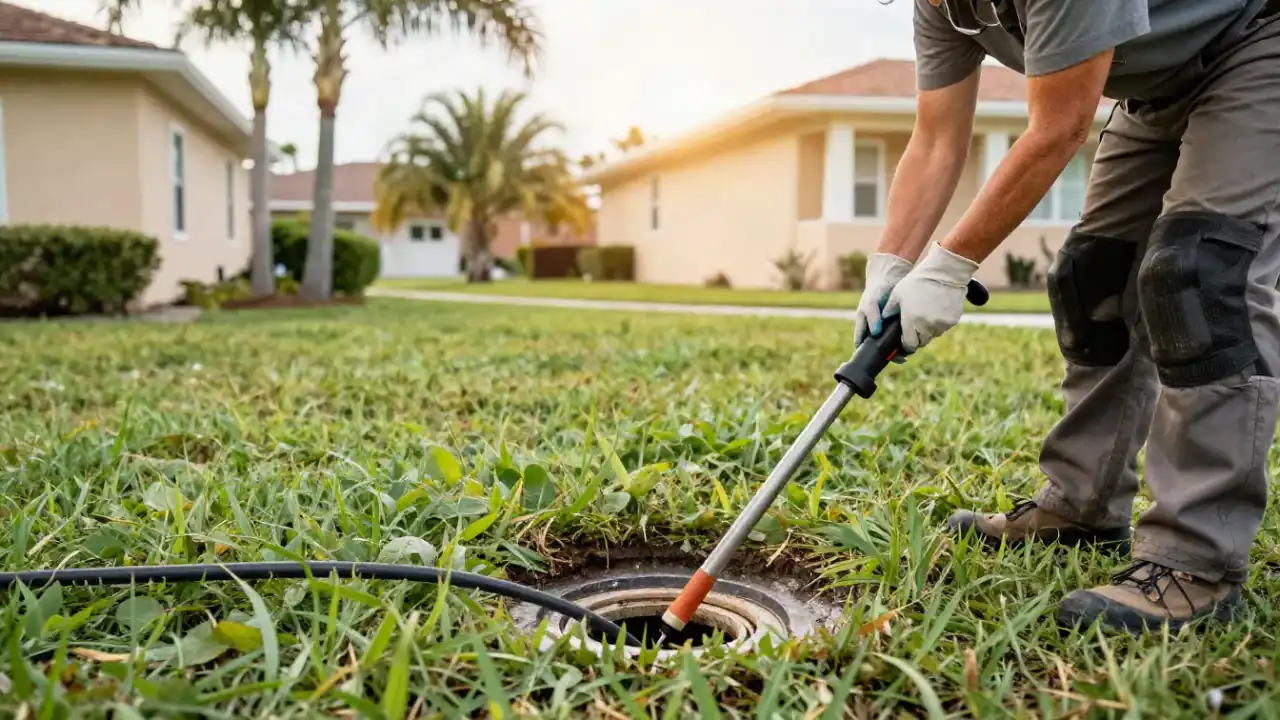
Every hydro jetting job includes a camera inspection before and after, the jetting pass itself, a flow test on every fixture connected to the line, and a written summary of what we found. If the camera shows a problem that jetting cannot fix, we tell you before we start and quote the repair separately. Here is what you get.
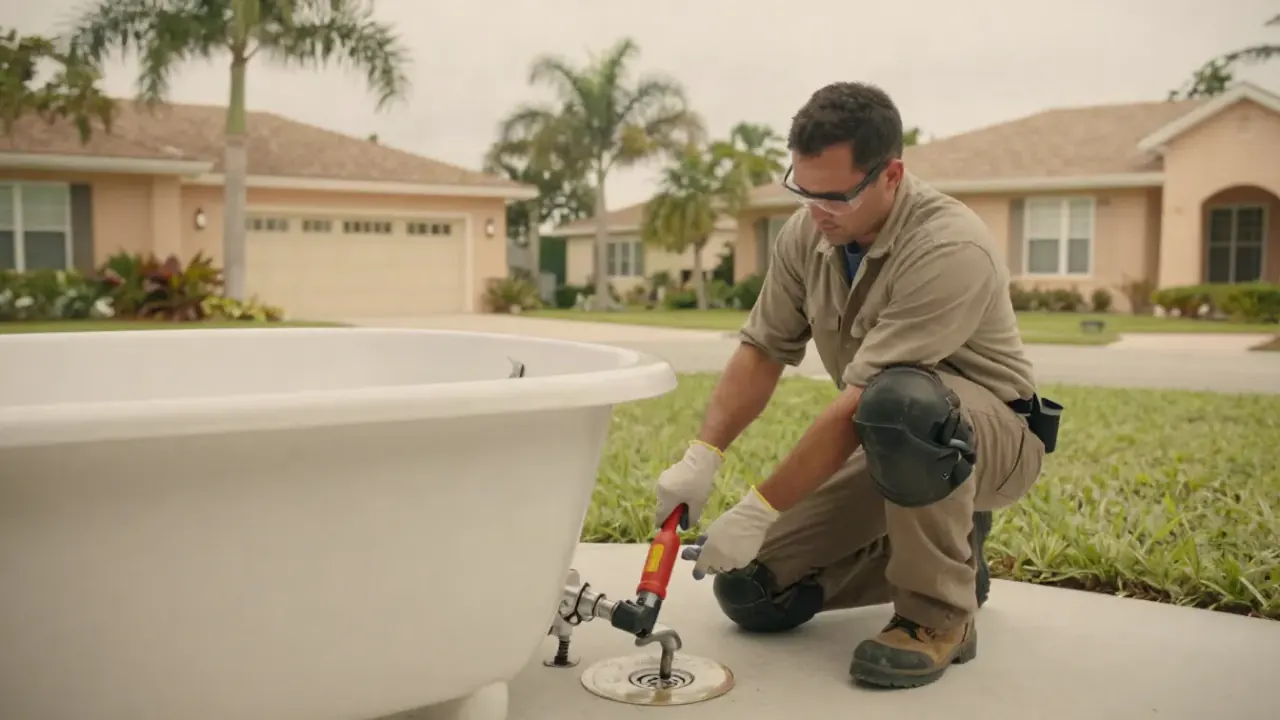
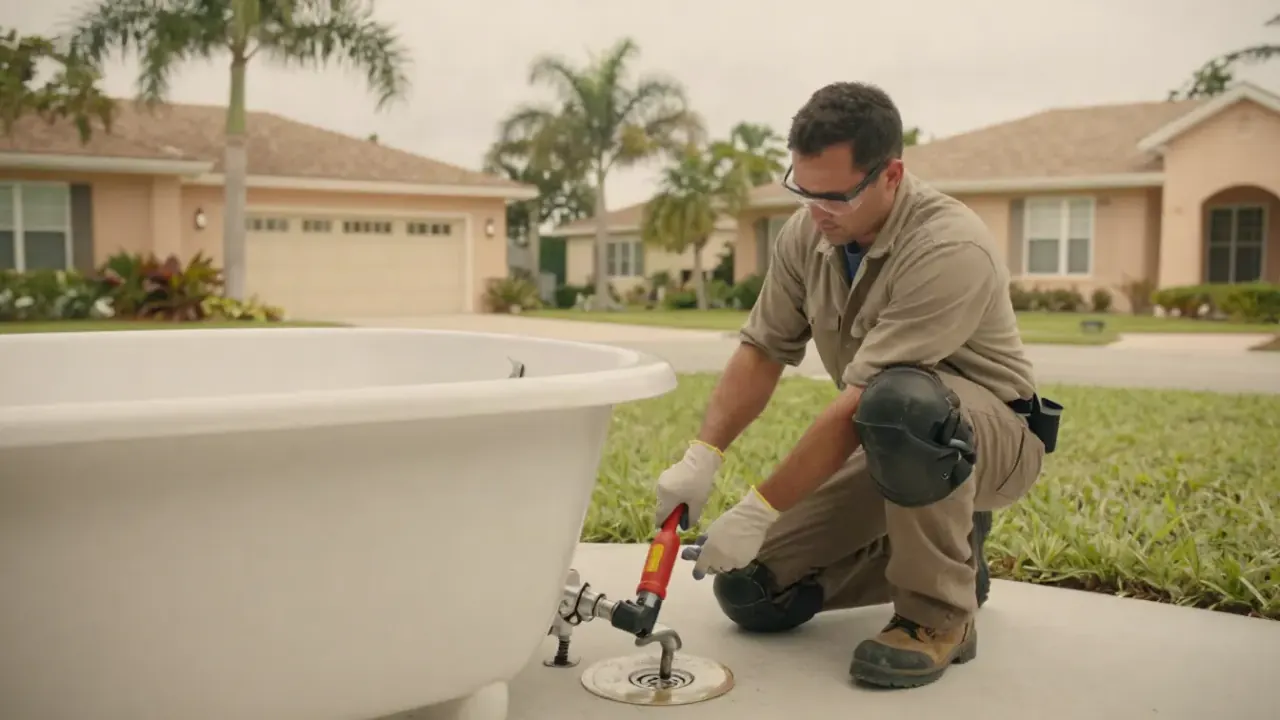
We jet kitchen, bath, and main lines in houses across Bradenton. Every job starts with a camera pass so we know what is in the pipe before we clean it.
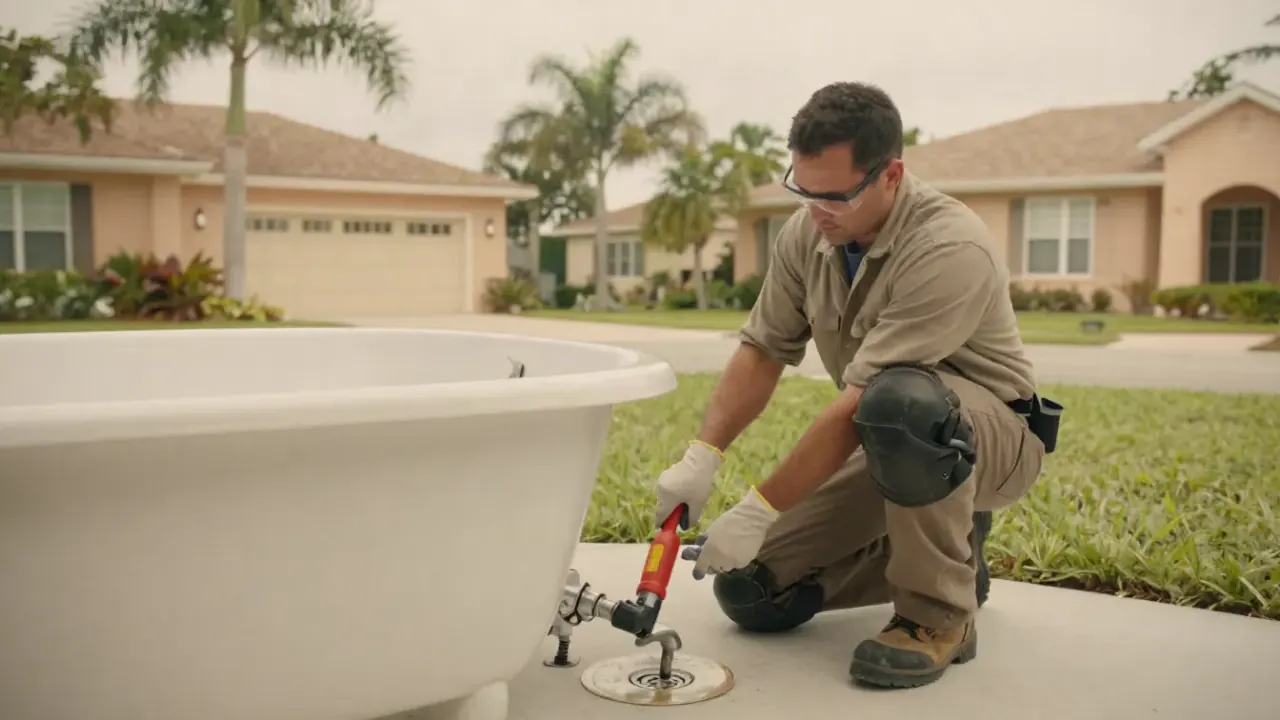
We jet kitchen lines, floor drains, and main lines for restaurants, offices, and rental properties. Scheduling is set around your operating hours so the work does not interrupt service.
Hydro jetting Bradenton FL is a drain cleaning method that uses a high-pressure water stream pushed through a specialized hose and nozzle to scour the inside of a pipe back to bare material. The nozzle fires water backward to pull itself forward while forward jets cut through the blockage. At 3,000-4,000 PSI, it removes grease buildup, soap scum, scale, and tree root intrusion that a drain snake or drain auger only pokes through. We run a sewer camera first to confirm pipe material and condition, then match nozzle type and pressure to the line.
Most Bradenton homes built before 1980 still have cast iron pipe under the slab, and that material pits and scales over decades. Newer builds use PVC pipe or ABS pipe, which handle higher pressure but still collect grease and root masses. If you are searching for hydro jetting near me Bradenton FL because the kitchen sink backs up every few months, the real issue is usually a lined pipe, not a single clog. One jetting pass removes the buildup instead of just opening a channel through it.
We camera the line first, match pressure to the pipe, then jet until the wall is clean.
Every job follows the same sequence: locate the access point, inspect the line, jet it clean, verify with camera, and flush-test. No guesswork, no opening a wall to find a cleanout that was never there. Here is what you can expect from call to cleanup.
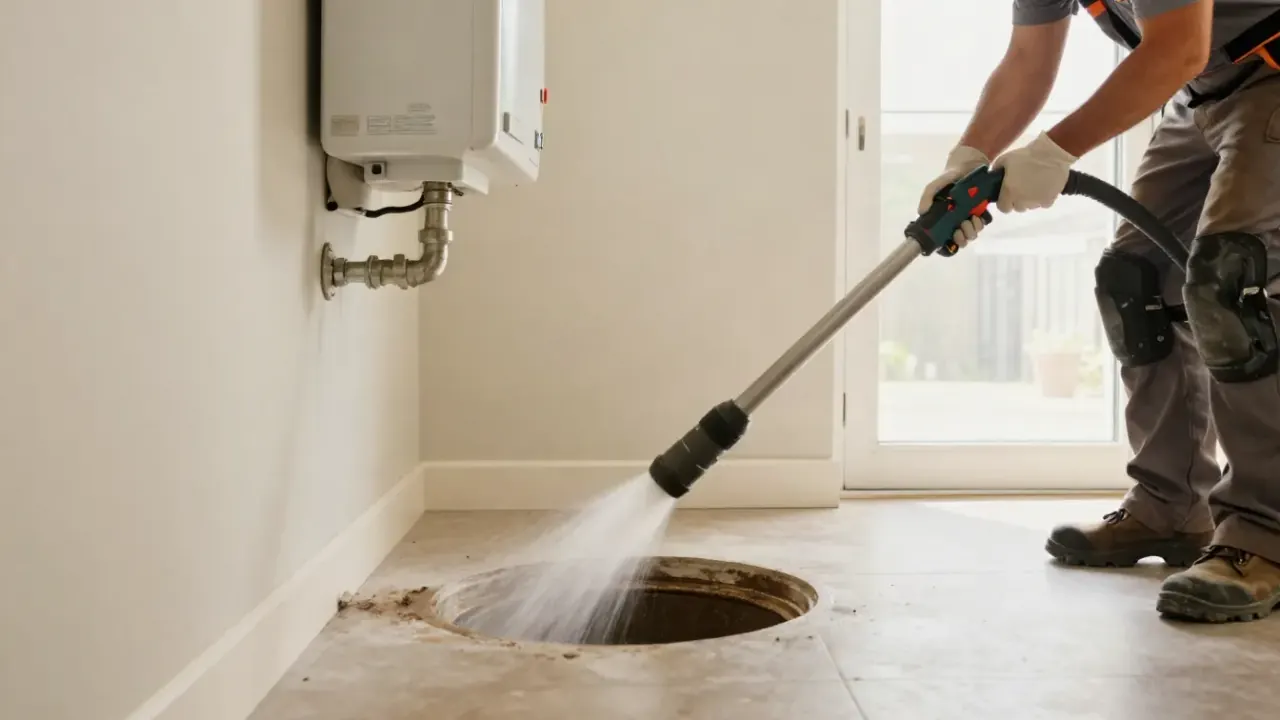
We find the sewer cleanout cap first, usually near the foundation or in the yard. If there is no cleanout, we can install one before jetting so the hose enters without going through a fixture trap. That keeps the mess outside and protects your sink or toilet from splashback. Takes 10-20 minutes on a standard Bradenton home.
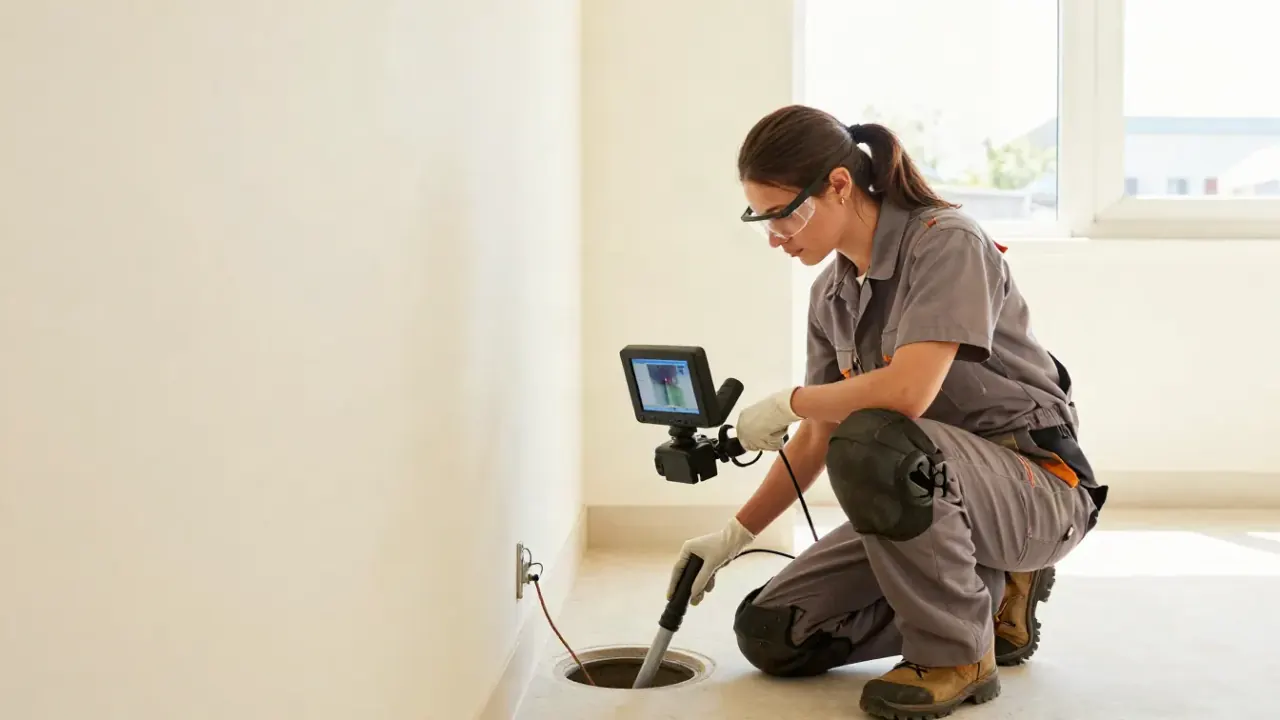
A sewer camera goes down the line to map the blockage and check pipe condition. We look for cracks, offsets, bellies, and root intrusion. This step tells us whether the line can handle 4,000 PSI or needs a gentler pass at 2,500 PSI. It also shows us exactly where the clog sits so the nozzle goes straight to it.
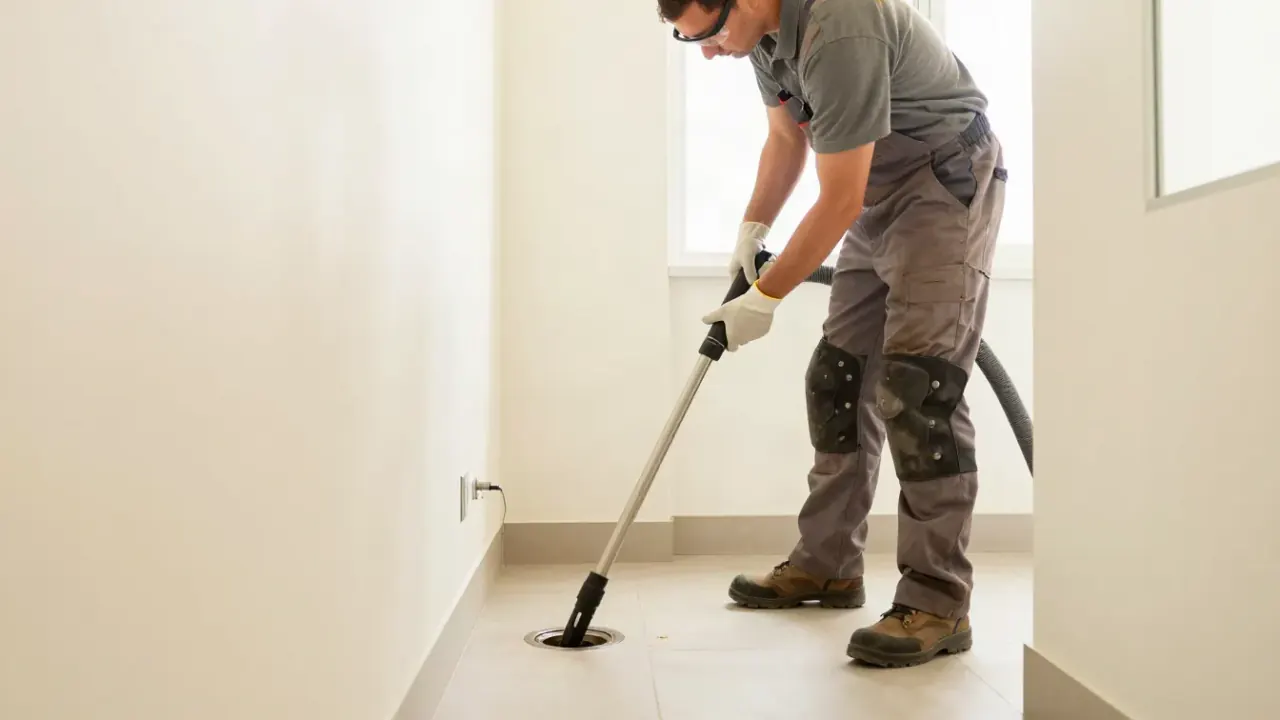
We feed the hydro jetting hose into the cleanout and run the nozzle forward through the blockage. Backward jets pull the hose while forward jets cut. For a main line clog, we make two or three passes until the water runs clear. A typical residential main line takes 45-90 minutes depending on buildup and length.
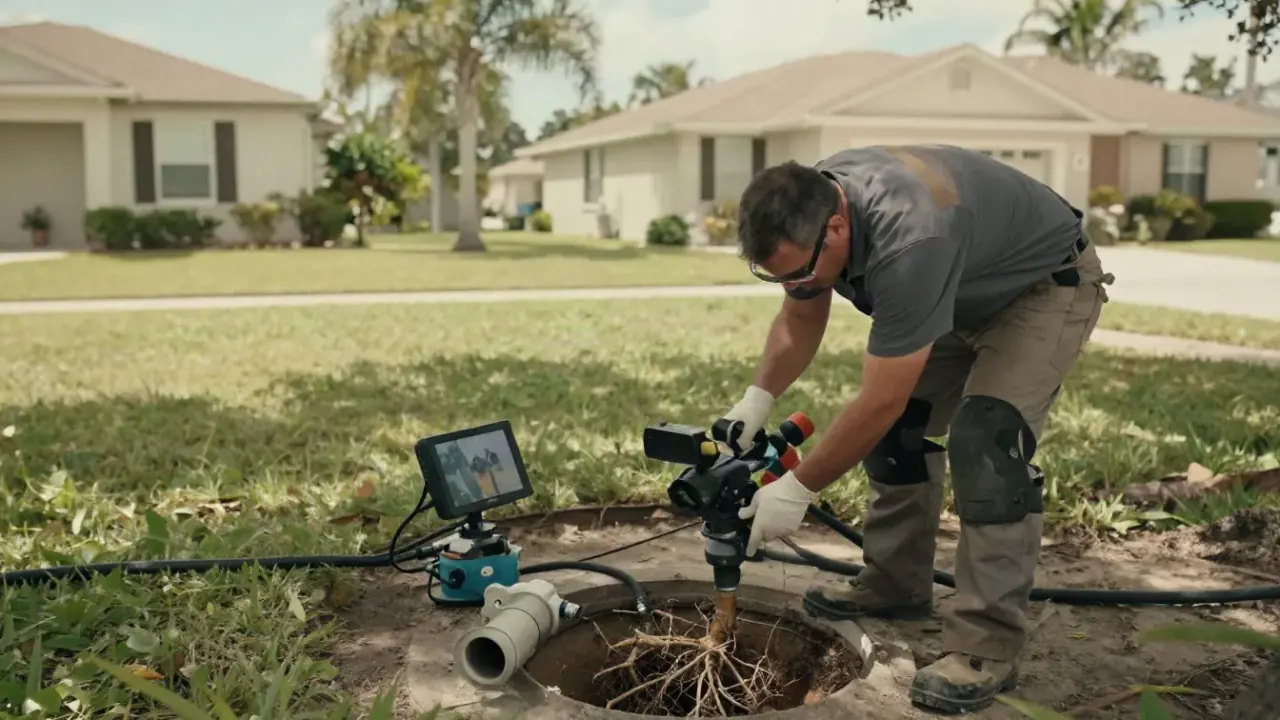
After jetting, the camera goes back in. We confirm the pipe wall is clean, the roots are gone, and there is no standing water or debris left behind. If we see a cracked section or a collapsed spot, we show you the footage and talk through repair options before we leave.
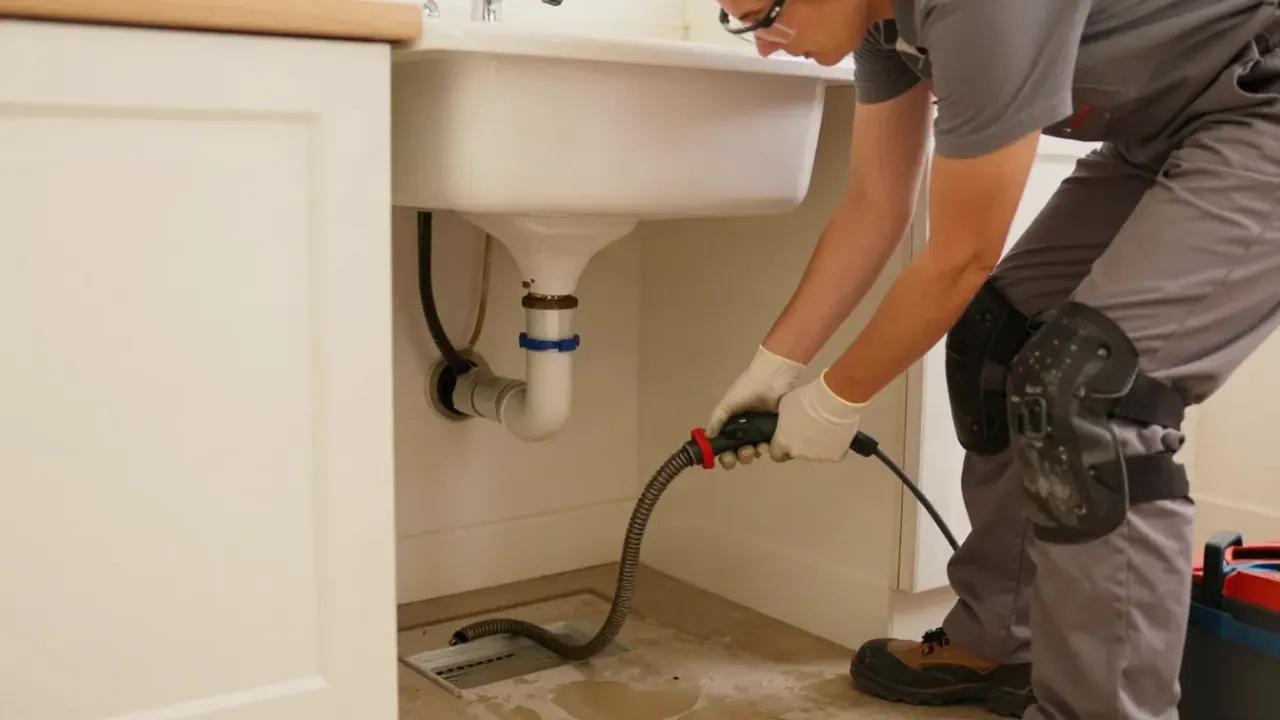
We run water through every fixture on that line, one at a time, to confirm full flow. Toilets flush, sinks drain, and the line holds. Then we put the cleanout cap back, rinse the work area, and walk you through what we found. You get the camera footage and a written summary of the work.
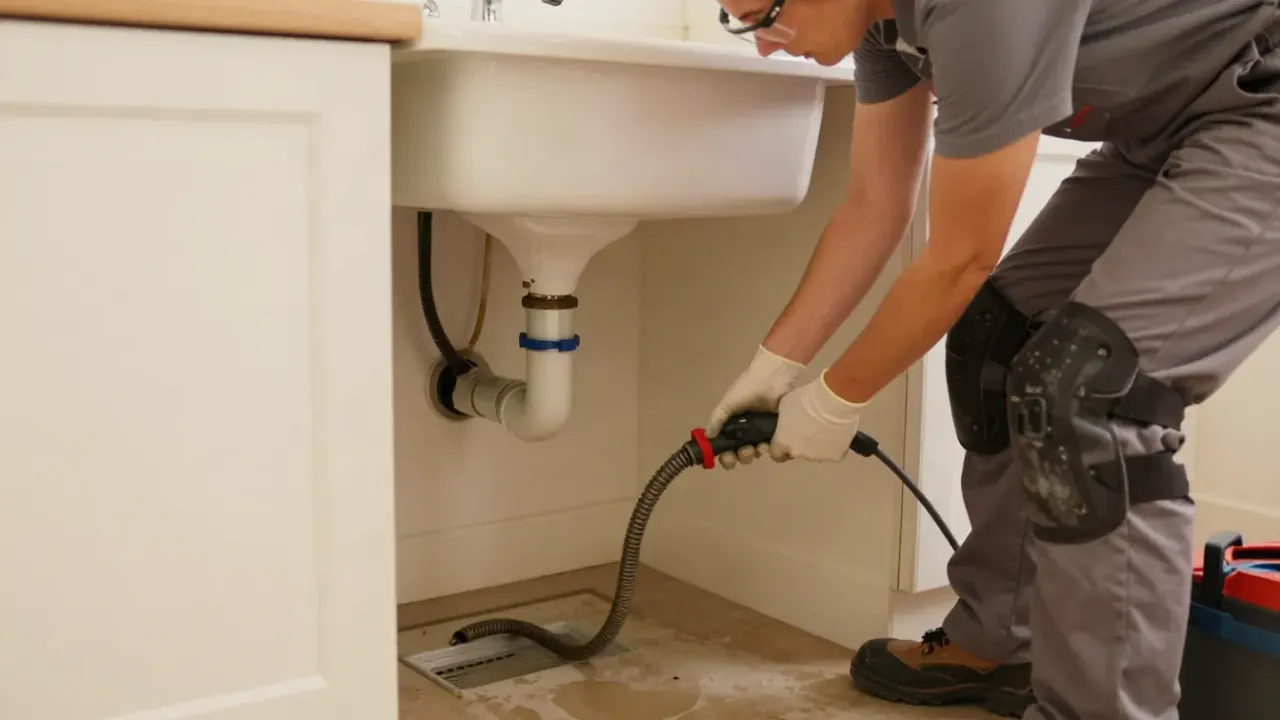
Our primary jetting unit for residential and light commercial lines. It delivers up to 4,000 PSI and runs a 3/8-inch or 1/2-inch hose. We match the nozzle to the pipe size and blockage type.
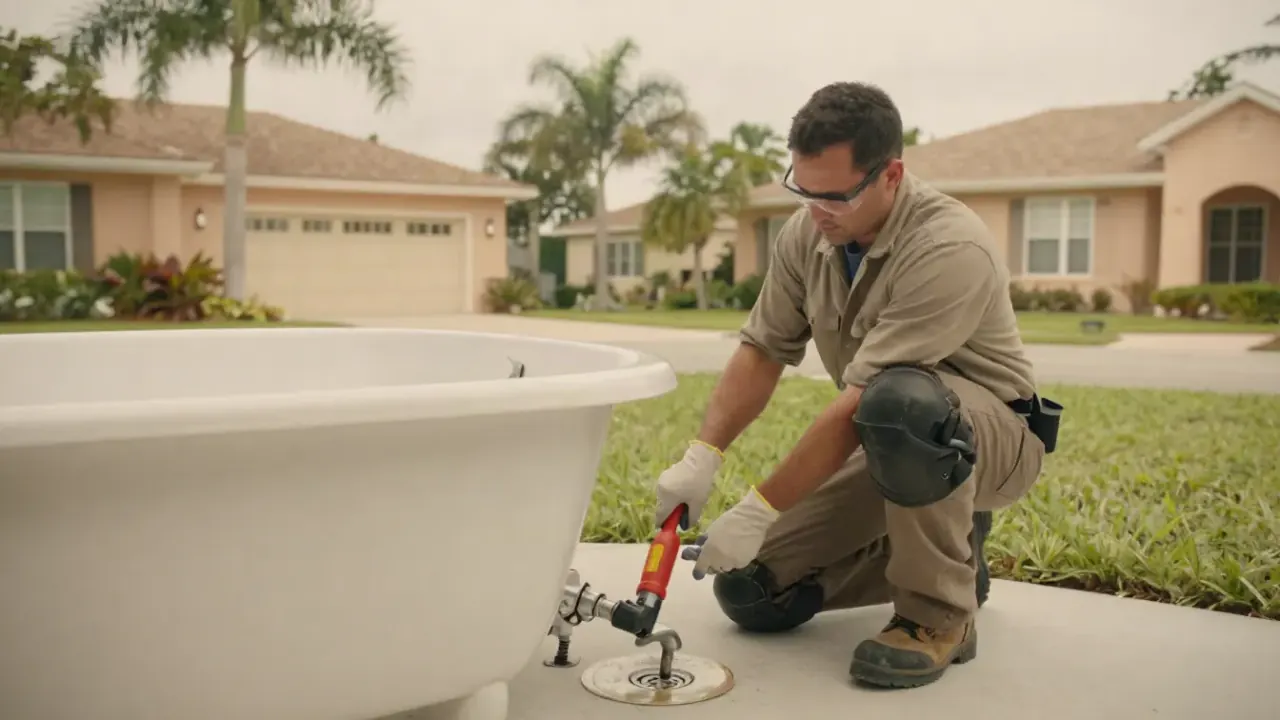
Used for longer main line runs and heavier root masses. The Spartan unit holds more hose and can push a root-cutting nozzle through dense root balls that would stall a smaller machine.
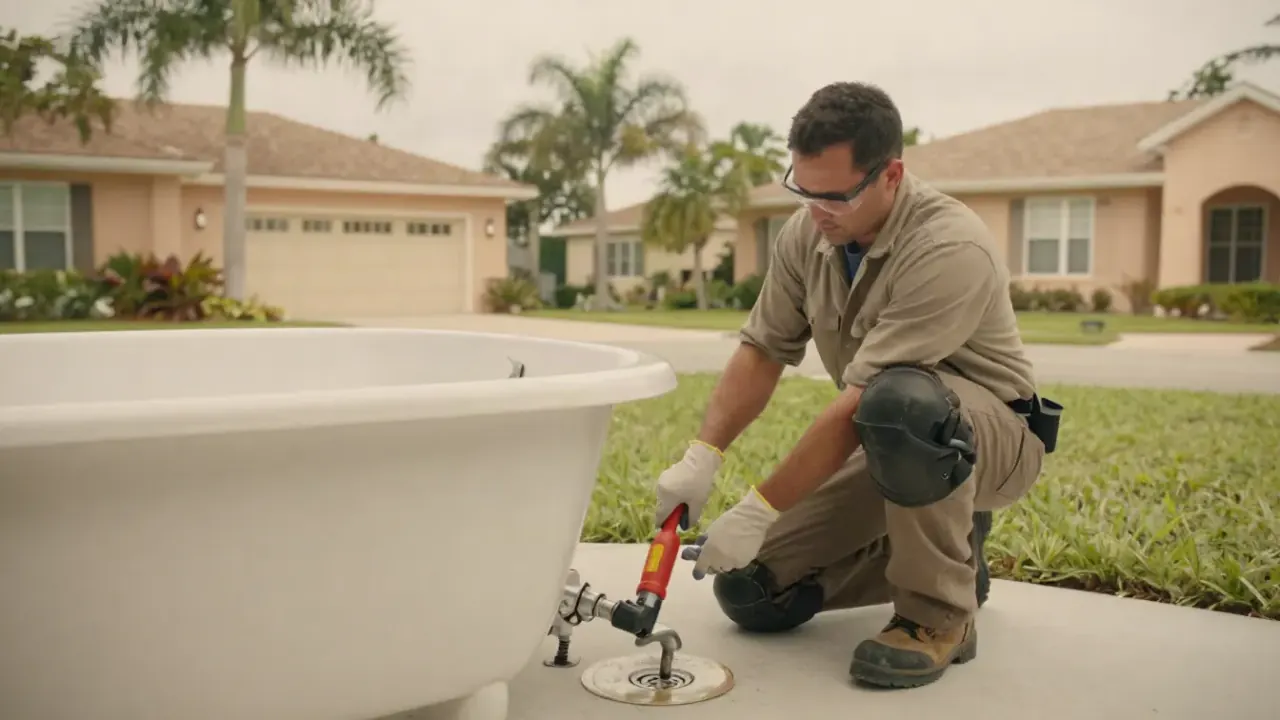
Our go-to sewer camera for pre- and post-jetting inspections. It records video and still images, so we can show you exactly what was in the line and what it looks like after we clean it.
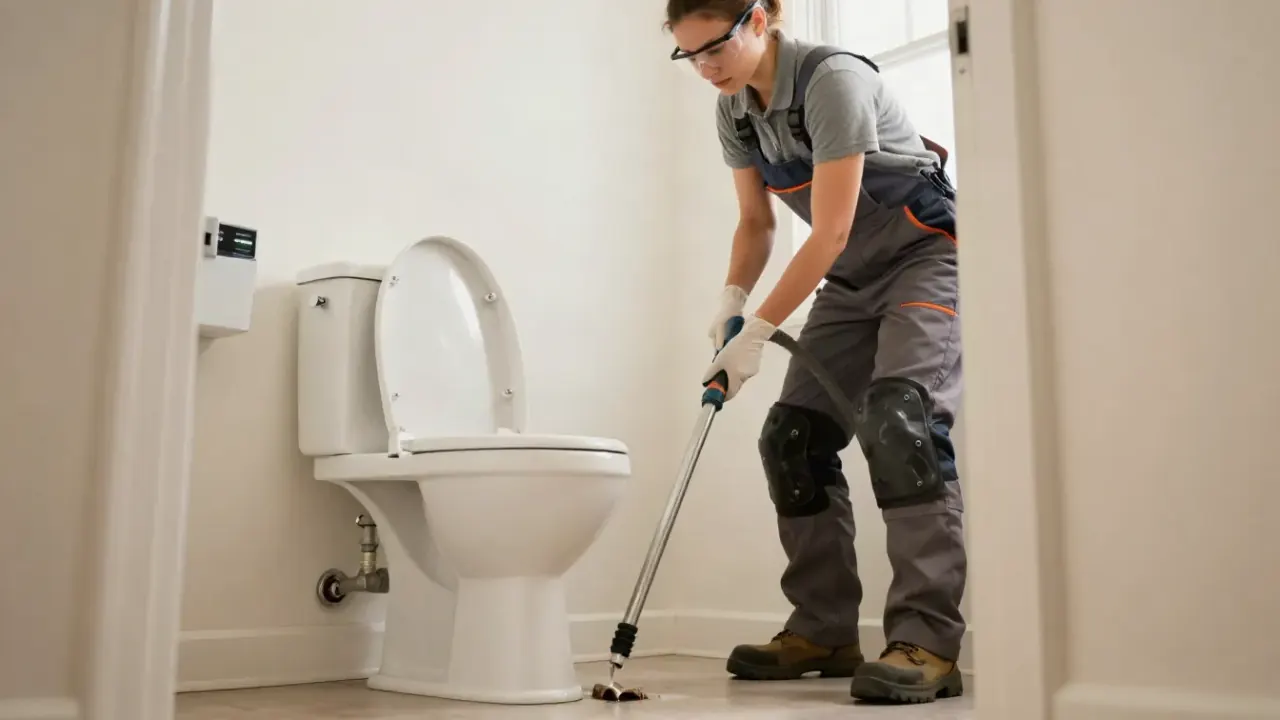
Used when a line needs cabling before jetting. Some blockages, especially in cast iron pipe, are better opened with a cable first so the jetting hose can pass through without getting stuck.
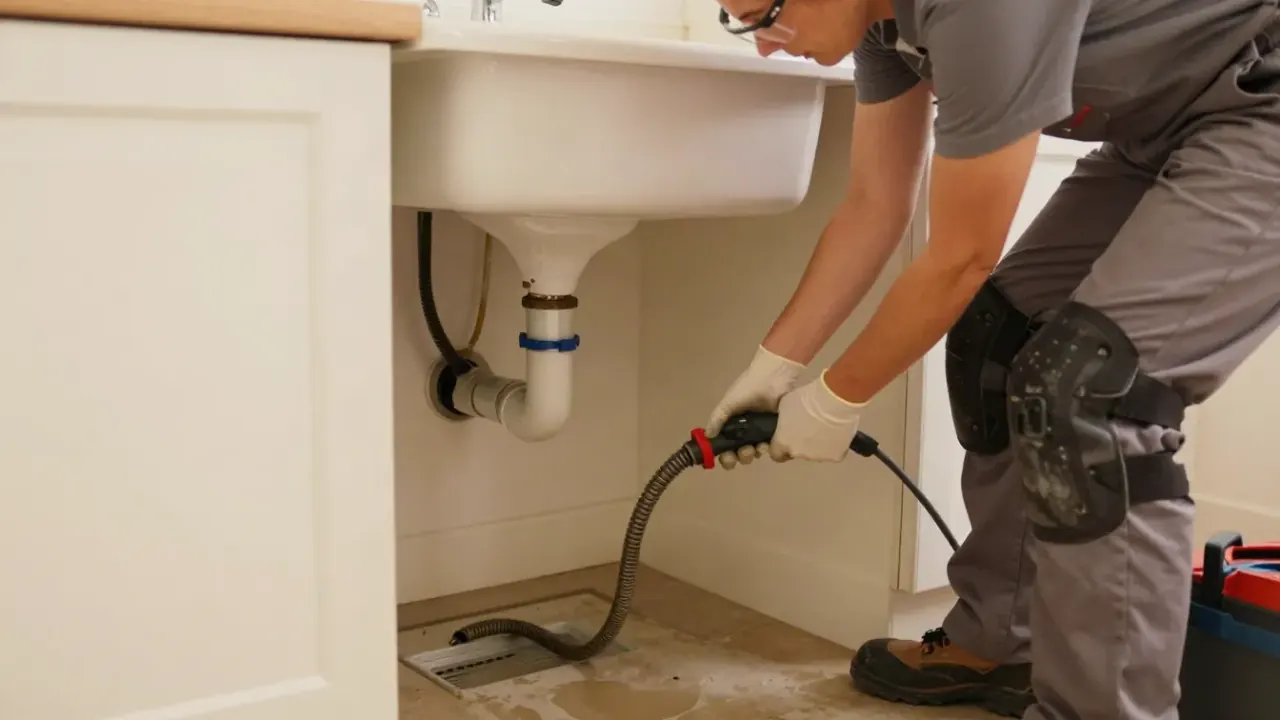
Cuts through tree root intrusion in main lines. We use it before jetting when the camera shows a dense root mass. The rooter opens a path, then the jetting nozzle cleans the walls and flushes the debris out.
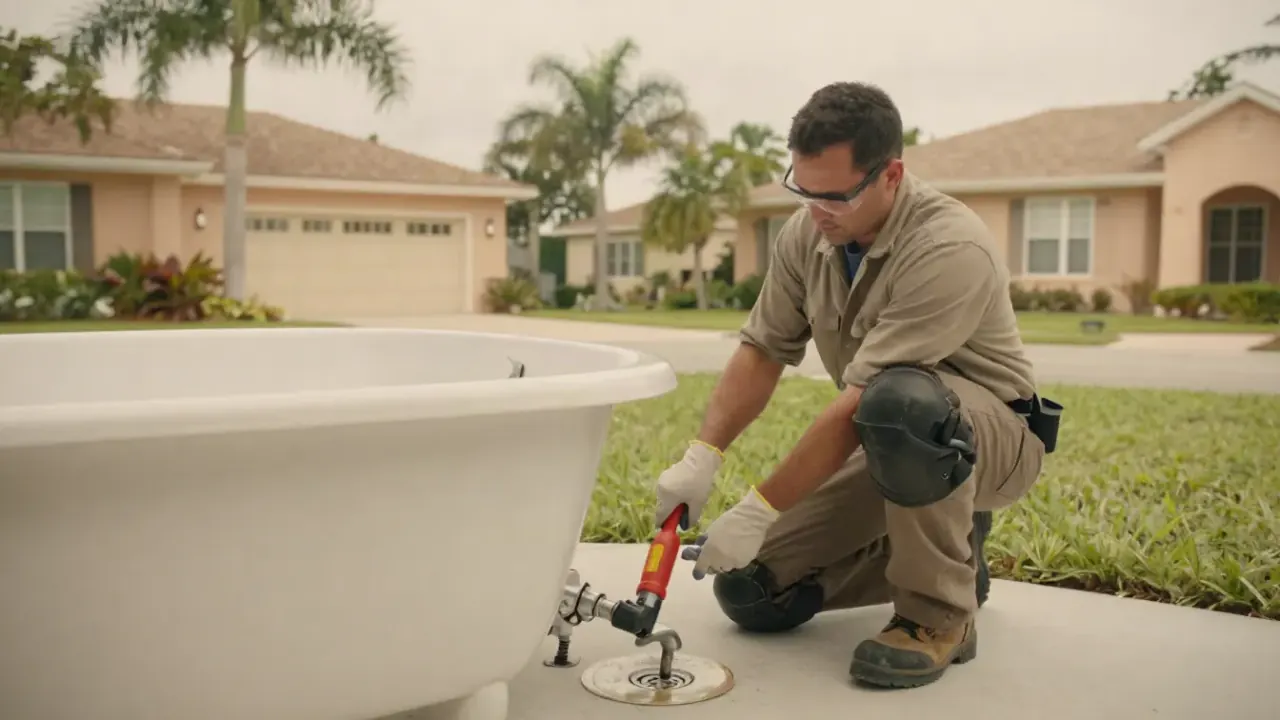
We carry multiple nozzle types: penetrating nozzles for hard blockages, root-cutting nozzles for tree roots, and grease-cutting nozzles for kitchen lines. The nozzle choice matters as much as the pressure setting.
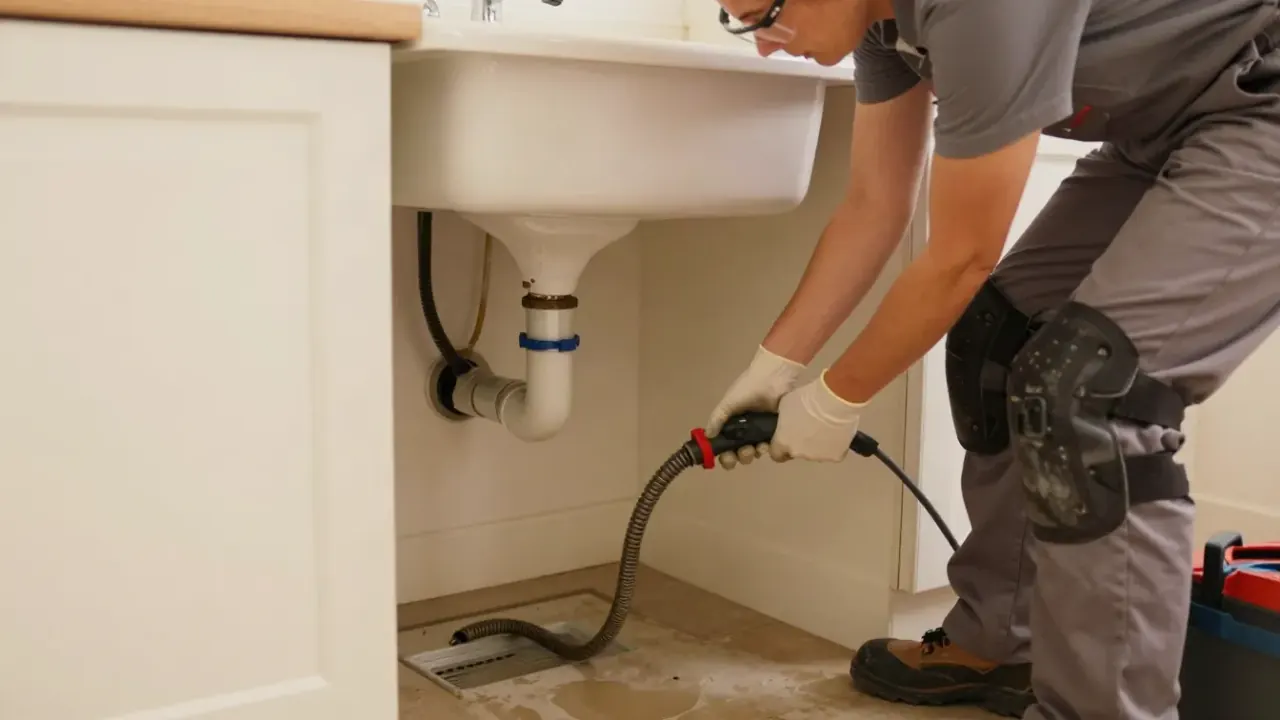
We never jet a line blind. The camera goes in first to confirm pipe material, locate the blockage, and check for cracks or offsets. That inspection tells us what pressure and nozzle to use. It also protects you from a jetting pass that could damage a failing pipe.
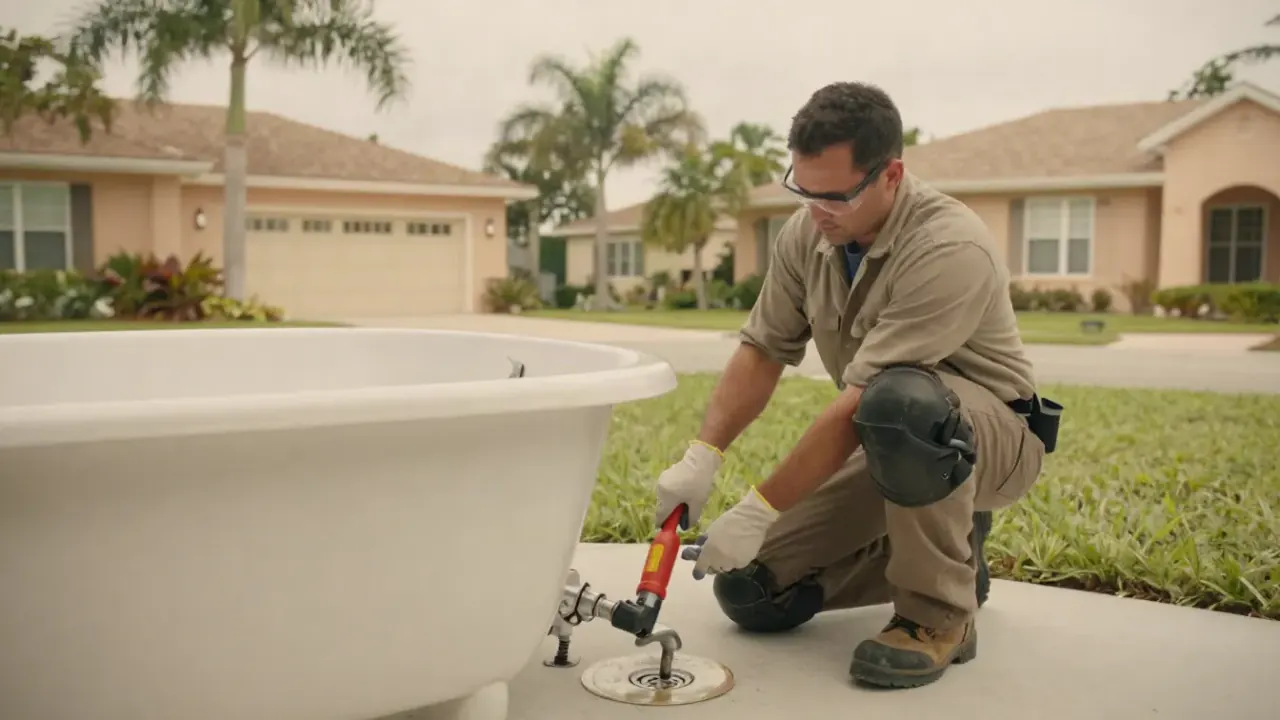
PVC pipe and ABS pipe get full pressure, usually 3,500-4,000 PSI. Cast iron pipe gets 2,500-3,000 PSI with a gentler nozzle pattern because older walls can be thin. Copper pipe is rare in drain lines but gets the same lower-pressure treatment if we see it.
We jet the kitchen line after close on a weeknight, using a grease-cutting nozzle at 3,500 PSI. The line gets cleaned wall to wall, and we flush with hot water to move the softened grease into the city main. We camera the line after to confirm it is clean. The line stays clear through the weekend rush. We set up a quarterly jetting schedule so the Friday backups stop happening.
We camera the line first to check the cast iron condition. If the walls are still sound, we jet at a reduced pressure of 2,500 PSI with a gentle nozzle pattern. We make multiple passes and camera after each one to confirm we are not damaging the pipe. The main line flows full again and the laundry room stays dry. We recommend a camera check every 12-18 months because cast iron continues to scale.
Two fixtures on the same branch line usually means a blockage downstream. We camera the branch and main, then jet the line at full pressure. We flow-test both fixtures and send the camera footage to the property manager the same day. Both fixtures drain normally and the tenant stops calling. The property manager has documentation for the owner and a baseline for future service.
We cut the roots with a rooter machine, then jet the line to flush the debris out. We camera the line to find the entry point and show the homeowner where the root is getting in. If the joint is cracked, we quote a repair. The line is clear and the spring backup stops. If the root entry point is repaired, the problem does not return. If not, we recommend annual jetting to stay ahead of it.
Bradenton sits on a mix of old and new construction. Downtown Bradenton and the Village of the Arts have homes from the 1920s through the 1950s with cast iron pipe that has been scaling for decades. West Bradenton and Palma Sola have a lot of 1960s and 1970s ranch homes on slab, also cast iron. Lakewood Ranch and the newer developments east of the interstate use PVC pipe, which handles higher jetting pressure. The soil here is sandy and drains fast, but that also means tree roots travel far looking for water. Ficus, oak, and palm roots are the usual culprits in main line clogs. We adjust our jetting pressure and nozzle type based on what the camera shows, and we carry both RIDGID and Spartan Tool machines so we can match the equipment to the line. If you need high-pressure drain cleaning service Bradenton homeowners trust for older cast iron, we know how to clean those lines without breaking them.
A 1955 home in West Bradenton had a kitchen sink that backed up every three months. Three previous companies snaked the line and told the homeowner it was clear. The camera showed a grease ring that had narrowed the 2-inch pipe to about 3/4 inch.
We jetted the line at 3,500 PSI with a grease-cutting nozzle. Three passes removed the grease ring back to bare cast iron. The camera after showed a full 2-inch opening. The sink now drains in under 10 seconds, and the homeowner has not had a backup in eight months.
We recommended running hot water for 30 seconds after each sink use and scheduling a camera check in 12 months. A yearly jetting pass keeps the grease from rebuilding.
A Palma Sola home had a main line backup into the laundry room every spring. A ficus tree 15 feet from the cleanout had roots entering through a joint. The camera showed a root mass blocking about 70 percent of the 4-inch pipe.
We cut the roots with a rooter machine, then jetted the line at 3,500 PSI to flush the debris out. The post-jet camera showed a clean pipe with one visible joint where the roots had entered. Flow test passed on every fixture. The laundry room has stayed dry through two rainy seasons.
We recommended a camera check every 12 months and a root treatment at the entry joint. If the joint is repaired, the root problem stops. Until then, annual jetting keeps the line clear.
A 1968 home in Bayshore Gardens had slow drains throughout the house and a gurgling toilet. The camera showed heavy scale and grease buildup in the cast iron main line. The pipe was still sound but the interior was rough and narrowed.
We jetted at 2,500 PSI with a gentle nozzle pattern, making four passes. The camera after showed the scale removed and the pipe wall smooth. Every fixture drained normally on the flow test. The homeowner said the toilets flushed better than they had in years.
We recommended a camera check every 18 months because cast iron continues to scale. A maintenance jetting pass keeps the line from narrowing again.
Most drain calls we run in Bradenton fall into a handful of categories: grease buildup in kitchen lines, tree root intrusion in main lines, scale in old cast iron pipe, and recurring clogs that snaking never fully solved. Jetting handles all four because it cleans the pipe wall, not just the center of the clog.
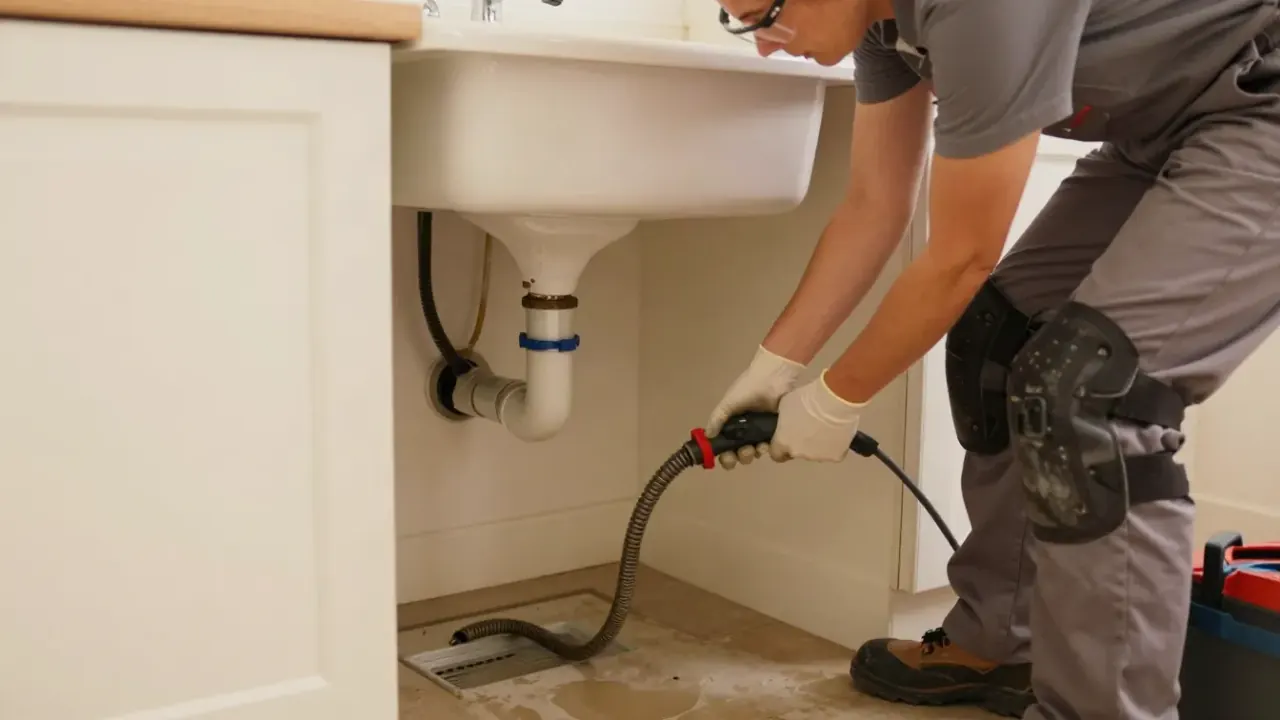
We jet the kitchen branch line at 3,000-4,000 PSI to strip the grease ring back to bare pipe. Then we flush with hot water to move the softened grease out of the line. Most kitchen lines stay clear for a year or more after a proper jetting pass. Grease and food particles coat the pipe wall and narrow the opening until even a small amount of new debris causes a backup. Snaking pokes a hole through it, but the grease ring stays and the clog returns.
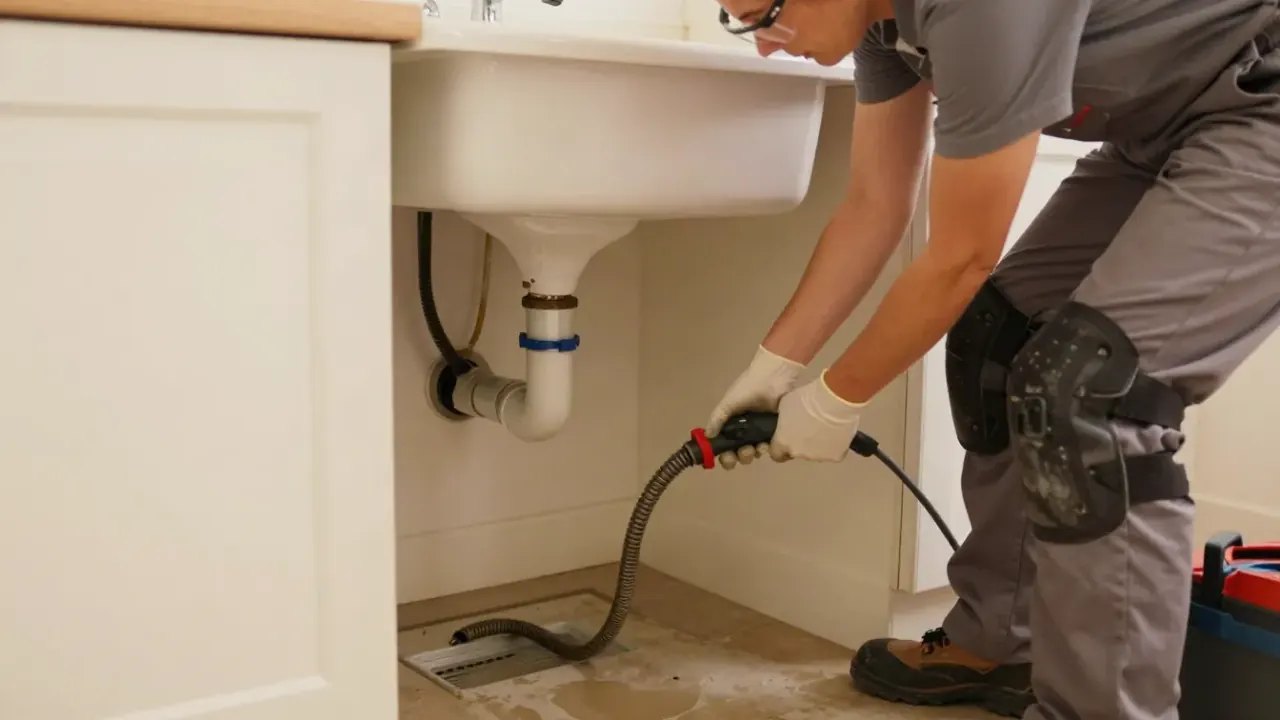
We locate the cleanout, camera the line, and jet the main at full pressure. Tree roots and grease masses get cut and flushed out. We camera the line after to confirm it is clean, then flow-test every fixture. Most main line jobs finish in 1-2 hours. When the main line clogs, water backs up into the lowest drain in the house, usually a laundry room floor drain or a shower. It is a health hazard and it can damage flooring and drywall if it sits.
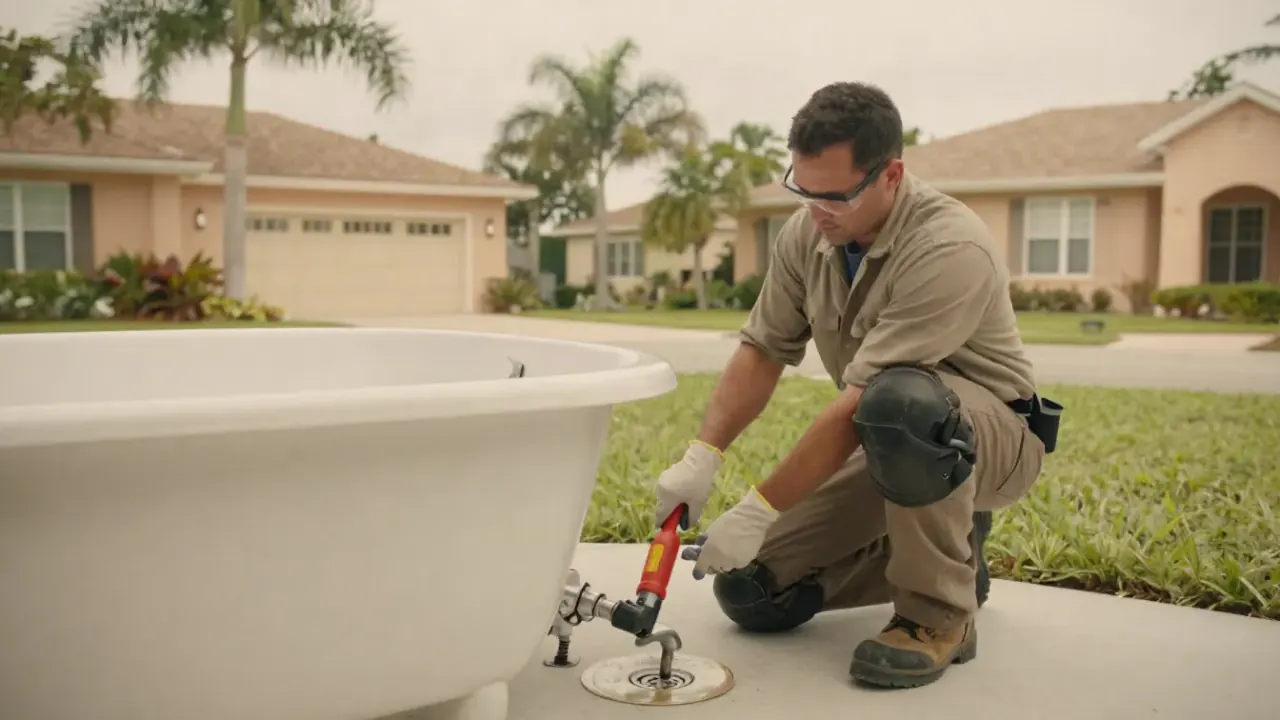
We clear the immediate clog, then camera the line to find the real blockage. If jetting is needed, we jet the branch and main line, then flush-test the toilet and every other fixture on that run. Recurring clogs usually stop after one jetting pass. A toilet that clogs weekly is usually not a toilet problem. It is a partial blockage in the branch line or the main line downstream. The toilet is just the first fixture to show it.
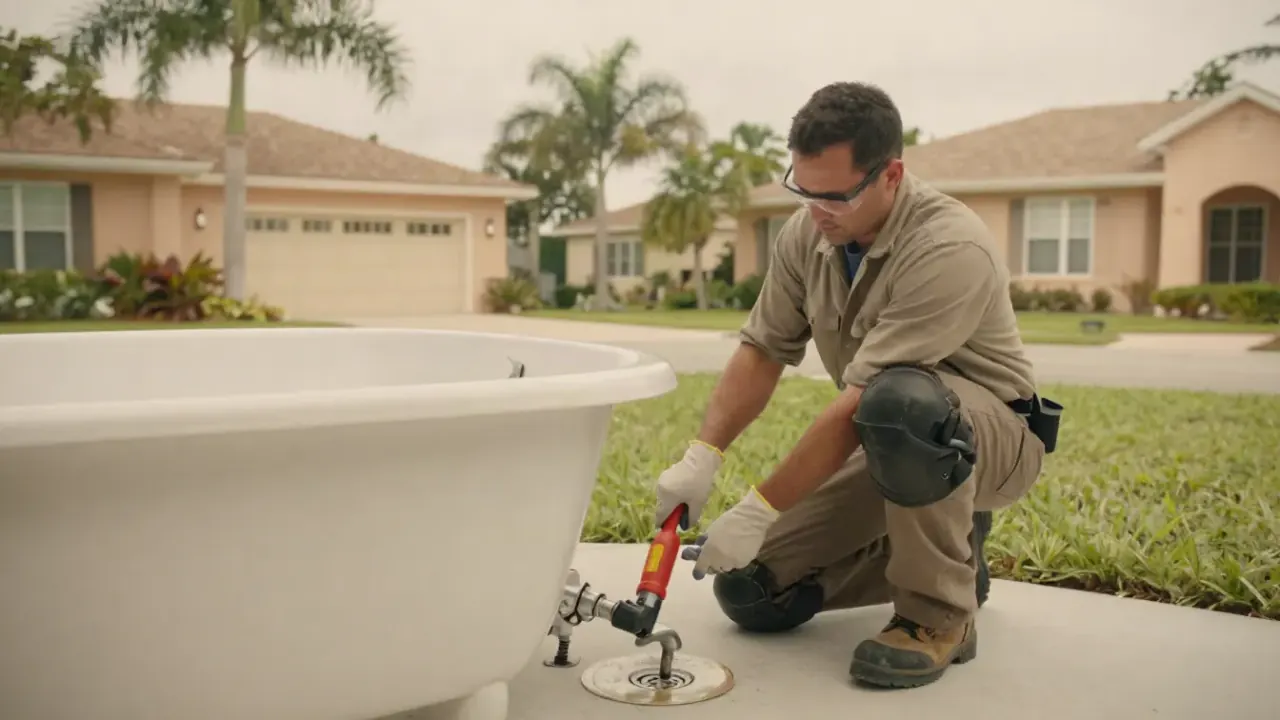
We camera the line to check for cracks, offsets, and blockages. If the line is intact but coated with buildup, we jet it clean and flush. If we find a break, we show you the footage and quote the repair. Either way, you know what is causing the smell. Sewer odor means gas is escaping through a dry trap or a crack in the line. It is unpleasant and it can indicate a bigger problem, like a broken pipe or a blocked vent.
A 4-inch main line that has 1 inch of grease buildup is effectively a 2-inch pipe. Jetting at 3,000-4,000 PSI strips that layer back to the original wall, so flow returns to full capacity. You will notice it immediately at the fixture: sinks drain faster, toilets flush clean, and the gurgling drains stop.
Tree root intrusion in Bradenton is heavy, especially in older neighborhoods with mature oaks and ficus. A rooter machine cuts a channel through the root mass, but roots grow back into that channel within 6-12 months. A hydro jetting machine with a root-cutting nozzle shears the roots at the pipe wall and flushes the debris out.
We adjust pressure and nozzle type based on pipe material. Cast iron pipe gets lower pressure and a gentler nozzle pattern because the walls are already thin in spots. PVC pipe and ABS pipe handle higher pressure. A sewer camera inspection before we start confirms the condition so we do not damage a failing line.
We run an inspection camera before and after every jetting job. You see the before footage with the grease ring or root mass, then the after footage with clean pipe walls. That documentation matters if you are a property manager in Manatee County who needs proof the line was restored, not just opened.
Typical 2026 pricing for residential hydro jetting in Bradenton runs $350-$650. A simple kitchen or bath branch line is on the low end. A main line with heavy root intrusion or multiple passes is on the high end. The price includes the camera inspection before and after, the jetting passes, and the flow test. We quote the job after the camera inspection, before any jetting starts, so you know the number up front. Commercial lines and long main runs are quoted separately based on length and access.
What your estimate is based on
$350 - $650 for most residential hydro jetting jobs Jetting costs more than a snake, but it lasts longer. A $150 snake that clears a channel through grease buys you three months. A $450 jetting job that cleans the whole pipe wall buys you a year or more. That is the math that matters.
Clear records you can keep and share.
Before and after video of the line
What we found and what we jetted
Every fixture on the line checked
A drain snake cuts a channel through a clog. A hydro jetting machine cleans the entire pipe wall. That difference decides how long the fix lasts.
A cable or auger pushes through the clog and leaves a channel for water to pass. The buildup on the pipe wall stays in place. Clogs return when new debris catches on that buildup.
A high-pressure nozzle scours the full inside diameter of the pipe back to bare material. Grease, scale, and roots get flushed out. The line stays clear longer because there is nothing for new debris to catch on.
We run a camera before we choose a method. A lightly clogged line may only need a cable. A line with heavy buildup or roots needs jetting. The footage decides, not a guess.
Outside these areas? Call (941) 393-1128 and ask if we can reach you. (941) 393-1128
Most residential hydro jetting jobs in Bradenton run $350-$650 in 2026, depending on line length, blockage type, and access. A simple kitchen sink line is on the low end. A main line with heavy tree root intrusion and two or three passes is on the high end. We quote the price after the camera inspection, before any jetting starts, so you know the number up front.
Yes, when pressure and nozzle type are matched to the pipe material. We inspect with a camera first. PVC pipe and ABS pipe handle 4,000 PSI. Cast iron pipe gets lower pressure because older walls can be thin. We will not jet a line that the camera shows is cracked or collapsed. In that case we talk through repair options instead.
High-pressure drain cleaning in Bradenton is the same process as hydro jetting: a hose and nozzle push water at 3,000-4,000 PSI through the pipe to scour the walls clean. It removes grease, scale, soap scum, and roots. It is different from snaking, which only cuts a channel through the clog. Jetting cleans the full pipe diameter, so the clog does not come back as fast.
Bradenton Drain Cleaning offers hydro jetting near me in Bradenton FL service across Manatee County, including Downtown Bradenton, West Bradenton, Palma Sola, Bayshore Gardens, and Lakewood Ranch. We carry RIDGID and Spartan Tool jetting machines on every truck. Call (941) 393-1128 and we can usually schedule same-day service for active backups.
If a drain is backing up, gurgling, or draining slow, call (941) 393-1128. We run same-day hydro jetting Bradenton FL calls across Manatee County and show you the camera footage before and after. Upfront pricing, no surprises.
Reach us at (941) 393-1128 between 8am and 6pm Monday through Friday, and we will get you on the schedule, often the same day. After-hours calls for main line backups get routed to an on-call tech. Tell us what is backing up and we will tell you what it will take to fix it.