Repair TipsLocal Guides
Why Does My Toilet Keep Clogging?
A toilet that clogs every few weeks is telling you something. Here are the real reasons it keeps happening in Bradenton homes, and how to stop it for good.
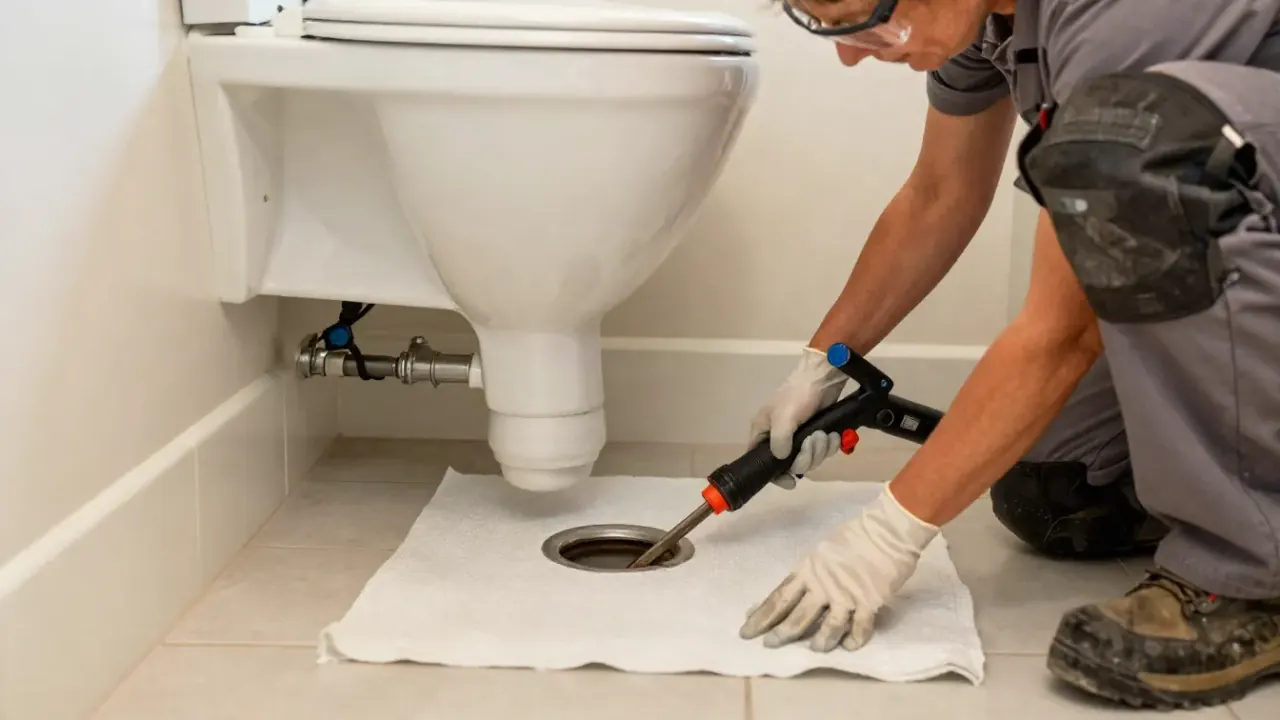
Your toilet keeps clogging because the blockage is almost never in the bowl - it is in the drain line, the vent stack, or the sewer lateral underneath your yard. A toilet that backs up every few weeks is a symptom, not the disease. The bowl is just the lowest point where a partial blockage finally shows itself.
We clear hundreds of these lines a year across Bradenton, and the pattern is consistent: a 3-inch toilet drain meets a 4-inch main line, and somewhere between the two, scale, roots, or a sagging pipe is catching waste a little more each month. This post walks through the six causes we find most often, the mistakes that make them worse, and how to tell when a recurring toilet clog in Bradenton needs a camera and a machine rather than another plunge.
The Short Answer: Your Toilet Is Not the Problem
Why does my toilet keep clogging Bradenton FL homeowners ask us this constantly, and the honest answer is that the toilet itself is rarely the culprit. A standard gravity toilet moves about 1.6 gallons per flush, and that water has to travel 30 to 60 feet through your home's drain system before it reaches the city main. Any restriction along that run turns a normal flush into a backup.
If your toilet clogs in the same spot every time, or if plunging fixes it for a week and then it returns, you have a partial obstruction downstream. If it clogs randomly with different loads, the problem is usually the toilet's flush performance or something being put into it that should not be there.
That distinction matters because it changes what you pay for. A single toilet unclogging Bradenton call runs $95 to $185 in 2026 for a straightforward bowl-and-trap clog. A recurring clog caused by a root intrusion in the lateral can run $350 to $900 once you add camera inspection and root cutting.
Why Does My Toilet Keep Clogging in Bradenton?
Bradenton's soil, water, and housing stock create a specific set of conditions that produce repeat toilet clogs more often than in most Florida markets. Three factors stand out.
Hard water and mineral scale
Our municipal water runs 180 to 260 mg/L of calcium carbonate - solidly in the hard range. That scale builds on the inside of older cast iron and galvanized drain pipes the same way it builds on a showerhead. A 3-inch pipe that has been in the ground since 1978 can lose half an inch of interior diameter to scale in 20 years. That is the difference between a line that drains and a line that clogs every third flush.
Tree roots in the lateral
Live oaks, laurel oaks, and cabbage palms send roots toward moisture, and a sewer lateral is the wettest thing in the yard. Roots enter through the smallest joint gap - a hairline crack at a hub is enough - and then expand inside the pipe. We see this most in older neighborhoods where the original clay tile or Orangeburg laterals are still in service.
Aging pipes in older Bradenton homes
Anything built before 1980 in Bradenton likely has cast iron drain lines inside the house and clay tile or Orangeburg outside. Cast iron rusts from the inside out and develops a rough interior that snags paper. Orangeburg, a tar-paper pipe used heavily in the 1950s and 60s, deforms and collapses under root pressure. Both create the recurring clogs we get called for.
The Six Causes We Find Most Often
When we run a camera down a line that has clogged three or more times in a year, the cause is almost always one of these six things.
- Root intrusion at a joint or crack. The most common cause of repeat clogs on the main line. Roots regrow within 12 to 18 months if the line is not cut and the entry point is not addressed.
- Scale and grease buildup. Grease poured down a kitchen sink solidifies in the cooler main line and catches toilet paper passing through. Yes, your kitchen drain can clog your toilet.
- A sagging or bellied pipe. Ground settling - common in Bradenton's sandy soil after heavy summer rains - creates a low spot where solids settle instead of flowing.
- An obstructed vent stack. If the vent is blocked by a bird nest or debris, the drain cannot pull air and flushes move sluggishly, which looks like a clog.
- A low-flow toilet with a weak flush. Toilets made between 1994 and 2005 were the worst offenders. A 1.6 gpf toilet with a worn flapper or a partially closed supply valve never develops enough velocity to clear the trapway.
- Improper items flushed. Flushable wipes are not flushable. Neither are paper towels, feminine products, or cat litter. They catch on the first rough spot they meet.
If you are seeing a backup at the lowest drain in the house - usually a shower or tub - rather than just the toilet, the blockage is past the toilet branch and into the main. That is a main line drain cleaning Bradenton FL job, not a toilet job.
What Causes Repeated Toilet Clogs in Bradenton?
Repeated clogs in the same toilet point to one of two things: a mechanical problem with the fixture, or a partial blockage in the branch line serving it. We separate those with a simple test.
Fill a 5-gallon bucket with water and dump it into the bowl in one motion. If the bowl drains normally, the toilet itself is fine and the problem is downstream. If it backs up on a bucket of water, the obstruction is in the toilet's trapway or the branch line within a few feet of the flange.
On the fixture side, three parts fail over time:
- The flapper. A worn flapper leaks water from the tank into the bowl, so the flush starts with a partially empty tank and less force. Replace it every 3 to 5 years.
- The fill valve. If it is set too low, the tank never fills to the marked water line and each flush is short on volume.
- The rim jets. Mineral deposits close the small holes under the rim. When they are blocked, water enters the bowl from the bottom only, which kills the siphon.
On the drain side, recurring toilet clogs in Bradenton usually trace back to a cast iron branch line that has scaled down or a hub that has shifted. A video camera drain inspection Bradenton FL is the only way to see which one you have. We run the camera, show you the footage, and tell you what it will take to fix it - usually in under an hour.
Common Mistakes That Make Clogs Worse
The wrong fix turns a one-time clog into a monthly problem. Here is what we see homeowners do that backfires.
- Pouring chemical drain cleaner down the toilet. It rarely reaches the blockage, it sits in the trap and pits the porcelain, and it turns the water caustic for whoever works on the line next. We have had technicians get splashed by leftover chemical. Skip it.
- Plunging a toilet that is already full to the rim. You will push water onto the floor and possibly force waste past a loose wax ring. Remove a bucket of water first, then plunge.
- Using a hand auger past the trap. A 25-foot hand snake will not reach a blockage 40 feet out in the yard, and forcing it can kink the cable and scratch the pipe.
- Flushing to test whether it is clear. If the line is still restricted, you have just added another load of waste to the problem. Test with a bucket of water instead.
- Ignoring a slow drain. A toilet that drains slowly for two weeks before it clogs is giving you a warning. That is the cheapest moment to call.
One more: do not assume a clog that clears on its own is gone. It moved. It will stop somewhere else, and often that somewhere is the main line under the slab or the yard.
How to Stop Your Toilet From Clogging
You can prevent most repeat clogs with three habits and one maintenance call.
Flush in stages. Let the toilet complete a full flush before you walk away, and never hold the handle down longer than the flush needs. A short flush leaves solids in the trapway.
Keep grease and wipes out of every drain. Pour cooking grease into a can and trash it. Wipes, paper towels, dental floss, and hair go in the bin. This one change eliminates a large share of the clogs we clear.
Check the tank twice a year. Lift the lid, look at the water line, and check the flapper for a worn seal. A $12 flapper every few years is cheaper than a service call.
Get the line cleaned on a schedule if you have roots. If a camera has ever shown roots in your lateral, plan on a rooter service Bradenton visit every 12 to 18 months. Roots do not stop growing because you cut them once.
For lines with heavy scale or grease, a hydro jetting Bradenton FL service scours the pipe wall back to bare metal at 3,500 to 4,000 PSI and removes the buildup that snags waste in the first place. It is the difference between clearing a clog and clearing the cause.
And if you are in one of the older neighborhoods where the housing stock dates to the 1950s and 60s, the pipes themselves may be the issue. We do a lot of Drain Cleaning in West Bradenton where original clay laterals are still in the ground and root intrusion is a yearly event.
When to Call a Professional
Call us when a toilet has clogged three or more times in twelve months, when more than one fixture backs up at the same time, or when you see sewage coming up in a tub or shower. Those three signs mean the blockage is in the main line, and no amount of plunging will fix it.
Also call if you smell sewer gas in the house - that points to a dry trap or a broken vent, and it is a health issue, not just a plumbing one. And call if water backs up when you run the washing machine or dishwasher. That is a main line problem announcing itself.
Our team handles the whole job: we camera the line, tell you what we found, clear it with the right tool, and test it before we leave. If the pipe is broken or collapsed, we can repair or replace that section rather than clearing it every six months. We quote the price before we start, and the number does not change when the work is done.
Frequently Asked Questions
Why does my toilet keep clogging in Bradenton?
Most repeat clogs in Bradenton come from root intrusion in the sewer lateral, mineral scale inside older cast iron or clay pipes, or a weak-flushing toilet with a worn flapper. If plunging fixes it for a week and it returns, the blockage is downstream in the main line.
How can I stop my toilet from clogging in Bradenton FL?
Keep grease, wipes, and paper towels out of every drain, replace the flapper every 3 to 5 years, and have the line camera-inspected if it has clogged more than twice in a year. If roots are present, schedule root cutting every 12 to 18 months.
What causes repeated toilet clogs in Bradenton?
Repeated clogs in the same toilet usually mean a partial blockage in the branch line or a fixture problem like blocked rim jets or a low tank water level. Clogs that move between fixtures point to the main sewer line.
When should I call a plumber for toilet clogs in Bradenton?
Call when a toilet clogs three or more times in a year, when two or more fixtures back up at once, when sewage appears in a tub or shower, or when you smell sewer gas. Those signs mean the main line needs professional clearing.
Does drain cleaner fix a recurring toilet clog?
No. Chemical drain cleaner rarely reaches a blockage past the trap, and it can damage older pipes and leave caustic water for the next person on the line. Mechanical clearing with a snake or jetter is the correct fix.
Get Help With Drain Cleaning in Bradenton
If your toilet has clogged more than twice this year, the line needs to be seen, not guessed at. We camera it, clear it, and tell you exactly what is causing the repeat - no guesswork, no upsell.
Call Bradenton Drain Cleaning at (941) 393-1128 and we will get a technician out to clear the line and stop the cycle.